What Is Litha? Meaning, History, and Summer Solstice Traditions for 2026
I love celebrating the Summer Solstice by spending time outside in the sunshine, hanging out with friends, eating seasonal food, or simply appreciating the longest day of the year. I always get a bit sad on the Summer Solstice, because from this point on, daylight will fade a bit earlier each day until eventually the darkness will overtake the light.
Some Pagans and witches call this holiday Litha, though the name association has a more recent history that I’ll talk about later in this article. I’ll also tell you all about its history, origins, traditional foods, and some celebration ideas!
Posts on this site may contain affiliate links that allow me to earn a small commission from your purchases (at no extra cost to you!)
Table of Contents
When is Litha 2026?
In 2026, the Summer Solstice occurs on June 21st in the Northern Hemisphere. Many communities, notably those in Scandinavia, celebrate the Summer Solstice by observing Midsummer’s Eve as a festival and holiday.
Many spiritual practitioners celebrate the seasonal cycles, known as the Wheel of the Year to Wiccans. It includes eight festivals; four of them are rooted in Gaelic traditions (Imbolc, Beltane, Lughnasadh, and Samhain), and four are tied to the sun’s path (Spring Equinox, Summer Solstice, Autumn Equinox, and Winter Solstice).

What is Litha?
Litha is the name commonly used for Summer Solstice among modern Pagans and Wiccan practitioners. In 2026, it takes place on June 21st in the Northern Hemisphere. The sun has reached its peak! Litha marks the longest day and shortest night of the year.
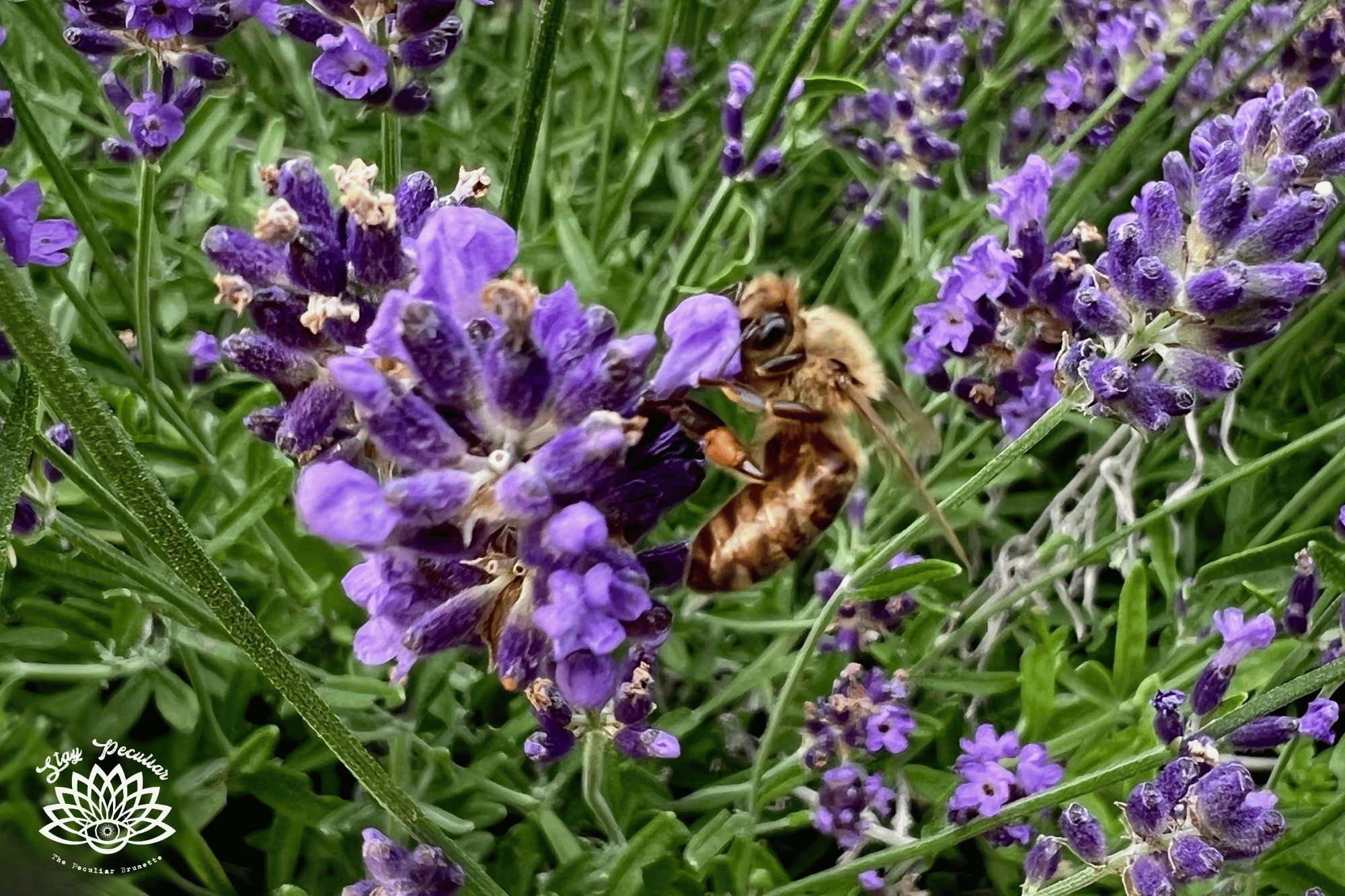
It’s easy to see and feel the pure joy and happiness around us during Litha. Bees buzzing, birds singing, flowers in full bloom, and plenty of sunshine. It’s a time of positivity, growth, and creativity.
Personally, I think one of the best things about this holiday is its simplicity. Please don’t feel like you need a complicated ritual to celebrate. Sometimes appreciating a beautiful summer day is more than enough.
While there’s scholarly evidence to indicate that it was indeed observed, there were suggestions made by Gerald Gardner, the founder of modern Wicca, that the solar festivals (the solstices and equinoxes) were actually added later and imported from the Middle East.
Regardless of the origins, many modern Wiccans and other Pagans do choose to celebrate Litha every year in June.
Wigington, Patti. “Litha History – Celebrating the Summer Solstice.” Learn Religions, Feb. 11, 2020, learnreligions.com/history-of-summer-solstice-holiday-litha-2562244.
Litha History and Origins
Ancient cultures around the world honored the longest day of the year with festivals, feasts, bonfires, and seasonal traditions.
Even though the Summer Solstice has been celebrated for thousands of years, Litha draws inspiration from many of these customs. The history of Litha can sometimes be a debated topic, but I’m going to do my absolute best to fill you in on all the deets while keeping it simple and easy to understand.
Ancient Summer Solstice Celebrations
One of the things I find most interesting about the Summer Solstice is how many different cultures have celebrated it throughout history. It’s easy to assume it belongs to one particular tradition or belief system, but the longest day of the year has inspired people all over the world for thousands of years.
Ancient Egyptians watched the summer sky for signs the annual Nile flooding was approaching. In China, the Summer Solstice was associated with the feminine force of Yin and celebrations honoring the Earth. Many Indigenous cultures across North America held seasonal gatherings and ceremonies connected to Nature and the changing seasons.
The longest day of the year belongs to no single culture, religion, or spiritual path. It’s a shared human experience inspiring many people across continents and centuries. Isn’t that lovely?
Stonehenge and Solar Alignments
Stonehenge is located in England and is one of the most famous Summer Solstice sites in the world. It was built thousands of years ago and is carefully aligned with the sunrise on the Summer Solstice. Each year, thousands of visitors gather to watch the sun rise behind the Heel Stone and watch the sun’s rays shine into the heart of Stonehenge.
However, Stonehenge isn’t the only location connected to the Summer Solstice. In fact, archaeologists have found solar-aligned ancient monuments throughout Europe and many other parts of the world. While we can’t know the exact beliefs of every ancient builder, we can assume the movement of the sun was very important to them.
European Midsummer Traditions
Many of the traditions surrounding modern Litha celebrations have origins rooted in older European Midsummer customs. Communities would gather together outdoors to eat, sing, dance, and celebrate summer. Bonfires were very popular and believed to bring good luck, protection, or blessings for the harvest season.
Depending on the region, people wore flower crowns, decorated their homes with plants, or gathered herbs believed to be powerful around Midsummer.
Where the Name Litha Comes From
The origins of the name Litha come from the writings of the Venerable Bede, who was an English monk, historian, and scholar who lived during the 7th and 8th centuries.
In his work, The Reckoning of Time (written in 725 CE), Bede recorded several Anglo-Saxon month names. What I think is interesting is the line, “June, Litha; July, also Litha.” He’s saying both months were associated with the summer season. Later, he says, sometimes an extra summer month could be included during certain calendar years. I’d like you to notice how Bede did NOT say there was a Summer Solstice holiday called Litha.
One of my favorite parts is when he goes on to explain the meaning of the word Litha: “Litha means ‘gentle’ or ‘navigable’, because in both these months the calm breezes are gentle, and they were wont to sail upon the smooth sea.”
Now, let’s jump a few centuries later to San Francisco in 1970, where Pagan author Aidan Kelly reviewed Bede’s writings and made a linguistic theory. Kelly noticed Bede recorded the months “Forelitha” and “Afterlitha,” similar to Yule’s “Foreyule” and “Afteryule.” Based on this, Aidan Kelly concluded, “Obviously, by analogy with Yule, the summer solstice must have been called Litha.”
This idea became widely popular in modern Paganism, and many Wiccans celebrate the name Litha. However, it’s important to note that Kelly’s theory is linguistic rather than historical. We simply don’t have clear evidence that ancient Pagans celebrated a Summer Solstice holiday called Litha in the same way modern Pagans do today.
Now, with all that being said, I don’t think it makes this holiday any less meaningful. The Summer Solstice has been celebrated for thousands of years to honor the longest day of the year. You can feel free to call it Summer Solstice, Midsummer, Litha, or whatever resonates with you most.

How Do Pagans Celebrate Litha Today?
Modern Litha celebrations focus on creating intentional moments to mark this magical summer holiday. Soak up the sun with some friends, play by the water, drink, eat, laugh, and celebrate the earth, sun, love, and life!
The ideas below are a mix of traditional midsummer themes and modern Pagan practices. Choose whichever ones resonate with you, and feel free to adapt them to fit your own beliefs and energy levels. Remember to enjoy the whole season, not just one day!
Visit a Sacred Site
Stonehenge is a popular place to visit during the Summer Solstice, but many places around the world align with the sun this time of year. For example, I was fortunate enough to visit the Mayan Ruins in Tulum, Mexico, a few years back. One of the temples was designed and built with the Summer Solstice in mind, and the building floods with morning sunshine.
Please know that any sacred or special space to you will be a great place to connect spiritually for your Summer Solstice celebration. Look around for local spots in your area that feel special to you this time of year.
Summer Energy Guided Meditation
Celebrate the Summer Solstice with my Summer Energy Guided Meditation. This meditation helps you connect with the sun’s powerful energy and align with its natural rhythms.
Perfect for both beginners and experienced practitioners, this session will fill you with the sun’s radiant and warm energy. Relax, recharge, and bask in the glow of the solstice with this transformative meditation!
Summer Energy Meditation Guided [NO MIDROLL ADS]

Summer Solstice Journal Prompts
Here are some spiritual journal prompts to help get you started! Each one is designed to help you connect with Litha’s summer spiritual intentions:
Create a Flower Crown
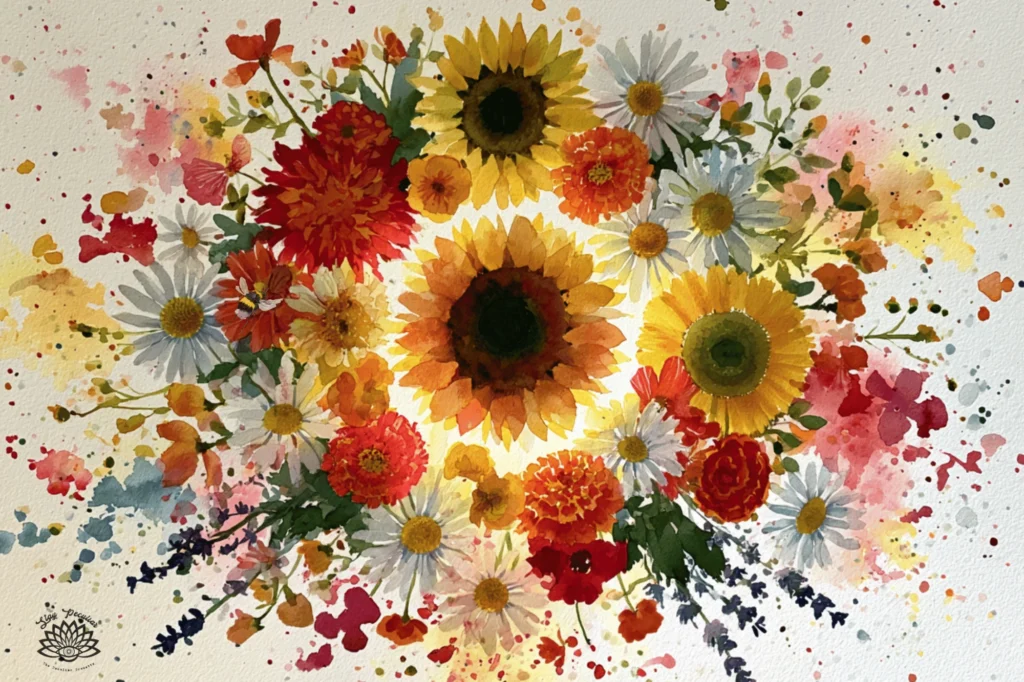
A very popular summer tradition is creating your own flower crowns! You can do this with any flower you choose! Sunflowers, daisies, roses, lavender, marigolds, yarrow, honeysuckle, dandelions…I could go on and on! Pick your favorites and get creative!
If you’d like to create one you can use again later, feel free to go to a local hobby store and use faux flowers like I did (pictured below) on my wedding day!

Summer Solstice Spell Jar for Creativity and Good Luck
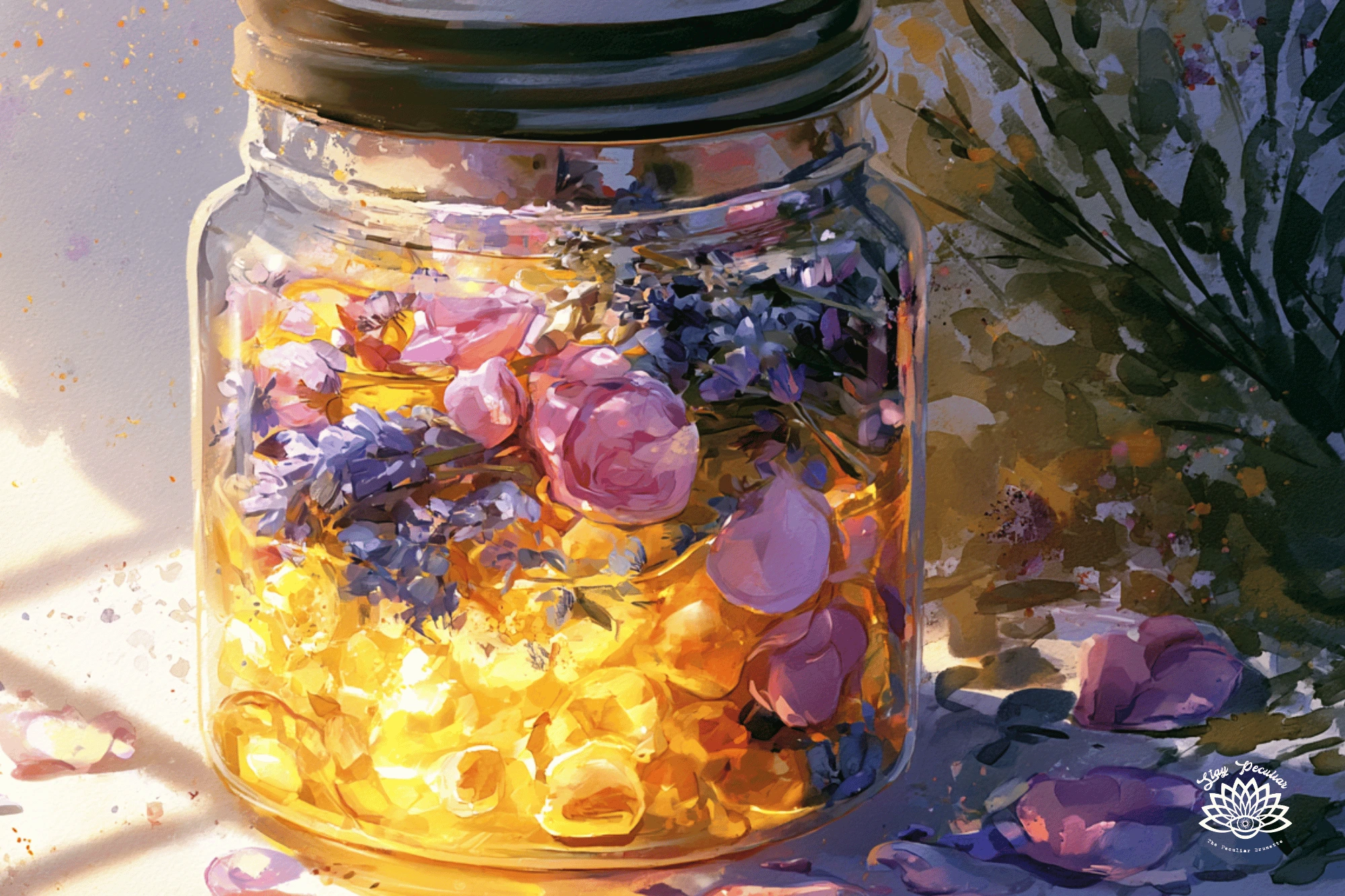
This is one of my favorite Summer Solstice morning rituals. This spell jar ritual harnesses the vibrant energy of the Summer Solstice, empowering you with creativity, luck, and prosperity. I created a video tutorial you can check out below:
Midsummer Magick: Summer Solstice Ritual Oil Spell Jar | Celebrating Litha

Feel free to adjust this spell to fit your spiritual beliefs. Do not use fresh herbs if you want to use them as ritual oil when complete. Using dried herbs in oil will prevent this spell from growing mold. If you’d like more details on creating your own DIY Spell Jars, check out – Mix Up Your Magic With Spell Jars!
Gather Your Supplies
- Citrine Chips: Represents creativity and happiness
- Dried Lavender: Brings peace and luck
- Dried Rose Petals: Enhances luck and emotional connection
- Sweet Almond Oil: Associated with wisdom and prosperity
- Small Reusable Jar with a Lid
- Small Funnel or Tweezers (for filling the vial)
Prepare Your Space and Set Your Intention
Find a quiet and comfortable space to create your spell jar. If possible, do it outside in the summer sunlight! Cleanse the area using the method of your choice to ensure clear, positive energy.
Before you begin, take a few moments to ground yourself. Hold the empty jar in your hands and visualize your intention for creativity and good luck. Feel the spiritual energy of the Summer Solstice, the longest day of the year, and let it fill you with warmth and inspiration.
Begin the Summer Solstice Spell Jar Ritual
Place a layer of citrine chips at the bottom of the jar. Sprinkle in the dried lavender and dried rose petals. Finally, fill the jar with sweet almond oil and securely close the jar with its lid.
Sit with the completed Spell Jar in your hands. Visualize solar energy filling the jar and say an affirmation or mantra of your choice. Here are a few ideas to help get you started-
- With solstice rays, my dreams ignite, shining brightly day and night
- Good luck finds me every day, in every task, and every way
- In the solstice sun, I find my way, growing stronger every day
Place the sealed jar outside in direct sunlight to capture the spiritual energy of the sun’s rays. Use your intuition to decide how long to leave it there (I try to leave it out all day).
Complete the Ritual
After the jar has absorbed the sun’s energy, bring it back inside. You can keep it with you, place it on your altar, or in a space of your choice. You can also use the oil to dress your candles, offerings, or even yourself.
Divination Work
Divination work of all kinds is wonderful during Litha 2026. This holiday has many intentions centered around love, but you can really ask about anything or see what comes up. Here are a few divination techniques to help get you started!


Welcome and Greet the Sunrise
It’s customary to welcome the sun on the morning of the Summer Solstice. I typically like to lay a blanket down in my backyard (and remember to turn the sprinklers off). I sit in a comfortable meditative position facing east. You can also do this near an open window if you don’t have a backyard.
Don’t get hung up on the details; do what works best for you and set your intentions for the day. Think of all the things you are grateful for, including the glimmering sunlight. Let it wash across your face and body and fill you with warmth, energy, and glowing radiance.
Watch the Sunset
I’m definitely a morning person, but I know not everyone is. You can still use a similar process to greet the sunrise noted above. Why not sit facing west outside on a blanket or an open window and thank the sun for its warmth and beauty?

Solar Powered Water
You place water beneath the moonlight to create Moon Water, don’t you? Why not also capture the wonderful, powerful energy of the sun as well? You can use your Sun Water in rituals, blessings, or any Summer Solstice celebration.
I often add tea bags, fresh herbs, fruit, or citrus slices (oranges, lemons, limes) to mine for a delicious sun tea! It’s so refreshing and fills me up with that fresh solar energy! Plus, it’s a lovely way to incorporate the natural abundance all around us right now. Get creative and use the correspondences above for inspiration!
Now may also be a wonderful time to connect with the spiritual energy of June’s Strawberry Moon!
A Gift of Green
Do you have an abundance of herbs or flowers growing in your garden? Why not share the bounty with a neighbor, friend, or loved one?
Gather a bunch of herbs or flowers and tie them together with a beautiful ribbon. Maybe even add a tag with a nice note to tell them how much you appreciate them. Rosemary, mint, lavender, roses, or basil would be wonderful this time of year!
Litha and Summer Solstice Correspondences
Litha and Summer Solstice correspondences are very helpful when creating an altar, doing ritual work, meal planning, or decorating your home for the summer season. Here are a few ideas to get you started!
Here are a few ideas to get you started:
Litha 2026 Decoration Ideas
Celebrate Summer Solstice with fun and festive decoration ideas! From outdoor parties to colorful centerpieces, these ideas will help you get in the summer spirit.
- Mirrors or Suncatchers – these are a great way to direct and reflect sunlight. Not only are they beautiful, but they’re awesome for ritual work
- Solar Lights are a wonderful way to keep that sun energy going into the night! You can place them in your garden or on your back porch. I have one on my kitchen windowsill!
- Create a flower garland or wreath – If you made a flower crown, why not decorate your home and hearth? Making flower garlands or buying a bouquet of flowers from the store can add so much beauty to your space and be an instant mood lifter. You can create a wreath from anything you may have collected from nature walks, or feel free to create a faux wreath with items purchased at a craft store.
- Candles – I always decorate with candles….lots of candles (this is a fire celebration, after all). You can burn any color you like, but if you’re looking for ideas, consider incorporating candle color meanings.
- Lights – Beautiful lights aren’t just for Winter Solstice! Fairy, outdoor, or holiday string lights are a wonderful way to incorporate light into your home, altar, or outdoor space.
- Connect with the Fae – The veil is still thin with the Fae world this time of year. Ever wonder why Shakespeare incorporated them into A Midsummer Night’s Dream? Learn more about Fae Mythology and leave some offerings for them outside. They love honey, mead, flowers, and herbs. You can also learn more about the different types of Fae.
I hope you found this post about Litha 2026 and the Summer Solstice helpful! Lots of love to you and remember as always…

Sources
Britannica Editors. “St. Bede the Venerable”. Encyclopedia Britannica, 21 May. 2026, https://www.britannica.com/biography/Saint-Bede-the-Venerable.
Bede. The Reckoning of Time. Translated and edited by Faith Wallis, Liverpool University Press, 1999. https://old.katab.asia/special/De_temporum_ratione.pdf
Kelly, Aidan. About Naming Ostara, Litha, and Mabon. Patheos blog. 21 September 2017.