Lughnasadh 2026: Meaning, Traditions, Rituals, and How to Celebrate
Lughnasadh 2026 is celebrated at the beginning of August. It celebrates the beginning of the harvest season and honors the ancient Celtic god Lugh.
Its origins stretch back hundreds of years. As they naturally would, traditions have changed over time. However, the heart of the celebration remains the same.
In this article, I’ll discuss Lughnasadh’s history, symbols, rituals, and how you can celebrate the sticky hot days of late summer.
Posts on this site may contain affiliate links that allow me to earn a small commission from your purchases (at no extra cost to you!)
Table of Contents
What Is Lughnasadh?
Lughnasadh is an ancient Irish Celtic festival celebrating the first harvest when grain, fruit, and vegetables begin to ripen. Today, it’s also celebrated as one of the eight Pagan holidays on the modern Wiccan Wheel of the Year.
The name is generally understood to mean “the assembly of Lugh.” It’s traditionally associated with the Irish god Lugh, who was celebrated for his many skills, craftsmanship, and leadership. Historically, communities gathered to celebrate the harvest, hold games, trade goods, and strengthen community ties.
Today, many Pagans celebrate Lughnasadh by sharing food, giving thanks for the season’s abundance, and recognizing the work that made the harvest possible. Even if your “harvest” comes from the grocery store, the spirit of the season still applies.
Many spiritual practitioners celebrate the seasonal cycles, known as the Wheel of the Year, which is a more modern calendar including eight festivals. Four of them are rooted in Gaelic traditions (Imbolc, Beltane, Lughnasadh, and Samhain), and four are tied to the sun’s path (Spring Equinox, Summer Solstice, Autumn Equinox, and Winter Solstice).
Lughnasadh Pronunciation
Learning how to say Lughnasadh can feel harder than actually celebrating it! Trust me, I’ve stumbled over the word too. Common English pronunciations sound like LOO-nah-sah, LOO-nah-suh, and LOO-na-SAH.
You may hear modern Irish speakers pronounce it slightly differently depending on their region. That’s because the Irish language doesn’t have one standardized spoken pronunciation any more than English does. Someone from Donegal, Kerry, and Dublin won’t necessarily pronounce every word identically.
Try listening to native Irish speakers so you understand the language with context, but what’s most important is understanding the history behind the name and saying it with respect.
I highly recommend listening to the lovely and talented Irish Pagan Educator, Lora O’ Brien. Here’s a video of hers below to help you listen to the Irish pronunciation of Lughnasadh:
When is Lughnasadh in 2026?
Lughnasadh 2026 is traditionally celebrated around August 1st (February 1st in the Southern Hemisphere).
Many modern Pagans begin celebrating Lughnasadh once the sun sets on July 31st. This is because the ancient Gauls celebrated the start of a new day once the sun went down.
One of the earliest written references to this practice comes from Julius Caesar’s Commentarii de Bello Gallico (The Gallic Wars). He wrote that the Gauls counted time by nights rather than days, so a new day began after sunset.
All the Gauls assert that they are descended from the god Dis, and say that this tradition has been handed down by the Druids.
For that reason they compute the divisions of every season, not by the number of days, but of nights; they keep birthdays and the beginnings of months and years in such an order that the day follows the night.
C. Julius Caesar (translated)
Today, there isn’t one “correct” way to celebrate Lughnasadh. Some Pagans gather at sunset on July 31, while others celebrate on August 1. Many (like myself) see Lughnasadh as the beginning of the harvest season rather than a single day, and return to its themes throughout late summer.
The History and Origins of Lughnasadh
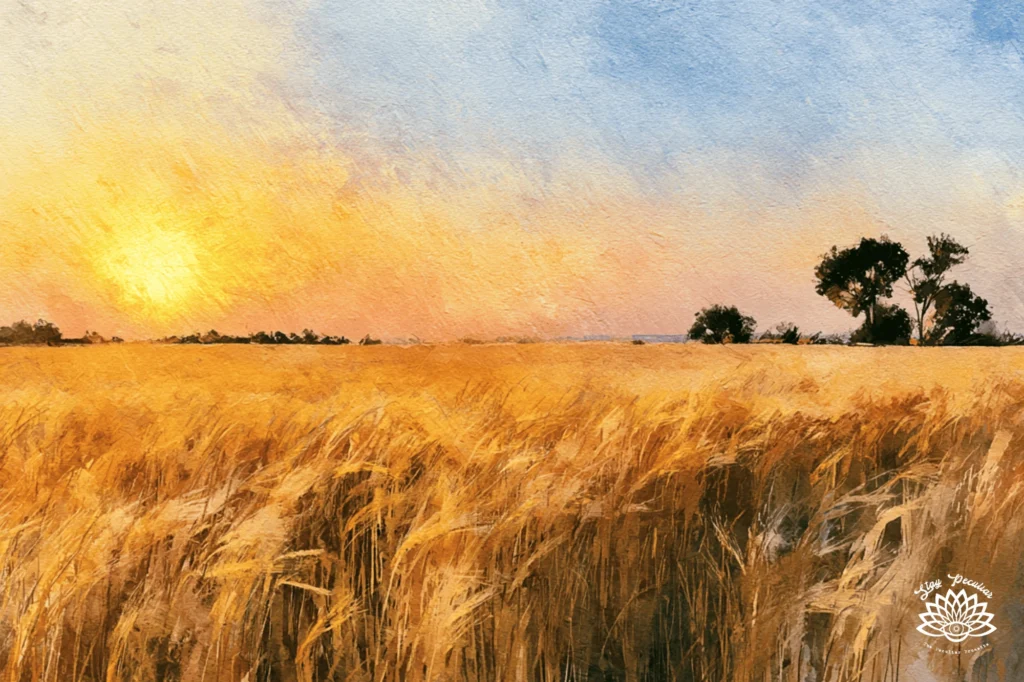
The earliest written references to Lughnasadh appear in medieval Irish literature. However, the traditions they reference are believed to be much older. The festival was established by the god Lugh in honor of his foster mother, Tailtiu, after she died from clearing Ireland’s plains for agriculture. He created an annual gathering and funeral games so her work would never be forgotten.
Although Lugh gives the festival its name, Tailtiu stands at the heart of its origin story. Without her sacrifice, there would be no assembly to remember and no festival bearing Lugh’s name.
Lughnasadh is often described simply as a harvest festival. However, medieval Irish sources suggest Lughnasadh was equally a community gathering where people traded goods, settled disputes, competed in athletic games, shared music and stories, and celebrated the changing season.
These assemblies brought people together from different communities and helped to strengthen social bonds while also marking the beginning of the grain harvest. Food, cooperation, and community were just as important as the harvest itself!
Over the centuries, Ireland changed through the arrival of Christianity and shifting cultural traditions. Many older customs gradually faded or blended with newer practices, including Lammas in some regions.
During the modern Pagan revival of the twentieth century, Lughnasadh found new life as one of the eight festivals celebrated on the Wheel of the Year. Today, many Pagans continue to honor both the ancient harvest traditions and the deeper themes of gratitude, generosity, community, and the rewards that come from months of patient work.
Lughnasadh Meaning
The name Lughnasadh comes from the Old Irish word Lugnasad. It typically translates as “The Assembly of Lugh” or “Lugh’s Assembly.” While scholars may translate the name slightly differently, it’s agreed that it refers to a gathering connected to the Irish god Lugh.
Since Lugh established the assembly to honor his foster mother, Tailtiu, it gives the story a deeper meaning than a simple harvest festival. It honors hard work, sacrifice, and the people whose efforts make life possible long before anyone gathers the harvest.
Today, Lughnasadh reminds us every harvest is the result of time, patience, and unseen efforts. The festival celebrates gratitude for what has grown, generosity in sharing that abundance, and the importance of supporting the communities who help us thrive.
Lughnasadh marks a turning point in the season as summer slowly turns to autumn. The work of planting is largely finished, and the first rewards begin to appear. Now is a time to recognize what has been given, honor what made it possible, and prepare for the season ahead.
What’s the Difference Between Lammas and Lughnasadh?
Lughnasadh and Lammas are closely connected harvest festivals, but they stem from different traditions.
Lughnasadh is an ancient Irish Celtic festival associated with the god Lugh and the beginning of the first harvest. Lammas developed later within the Christian tradition of Anglo-Saxon England, where the first loaf of bread baked from the new grain was blessed in church.
Both celebrations recognize the importance of the harvest, though their origins and religious traditions are different.
In the early English church it was kept as a harvest festival, when loaves of bread made from the new grain were consecrated. Its name was derived from the Anglo-Saxon word meaning “loaf-mass.”
Gule is another name associated with August 1, which is also the date of the festival of St. Peter’s chains and the Celtic festival of Lugnasad.
Britannica – Lammas
Lughnasadh Symbols
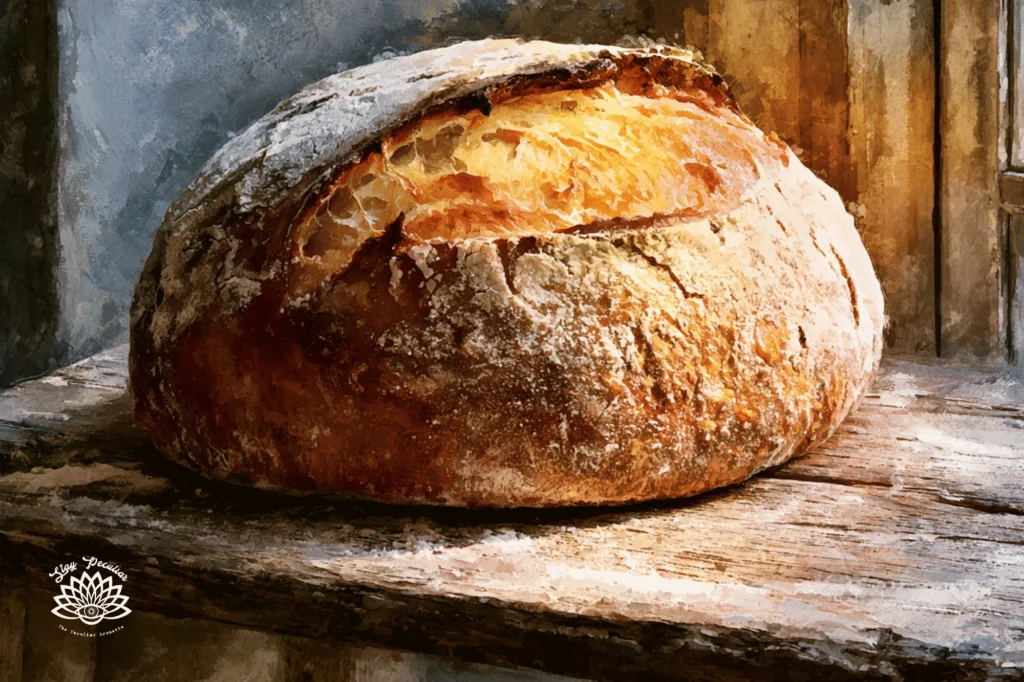
Lughnasadh symbols reflect the beginning of the harvest and the work making it possible. Some reference the agricultural traditions of late summer, while others represent the festival’s deeper themes of gratitude, abundance, sacrifice, and community.
Use these symbols to inspire your altar, rituals, seasonal crafts, or home decorations.
Lughnasadh Correspondences
Lughnasadh correspondences are helpful when creating an altar, performing ritual work, planning meals, or decorating your home for the holiday. I highly encourage you to think about what is seasonal in your area to build a practice more personal to you. Here are a few ideas to get you started:
Lughnasadh Food
Lughnasadh meals reflected whatever the first harvest had to offer. Freshly harvested grains, bread, berries, honey, vegetables, and locally available foods all played an important role in seasonal gatherings.
The first harvest brought welcome relief after months of planting, tending crops, and waiting for them to mature. Fresh grain could finally be milled into flour, bread baked, and fields began producing more food for the community. Lughnasadh celebrates this moment, making seasonal food one of the festival’s oldest and most meaningful traditions.
How To Celebrate Lughnasadh
Late summer holds a certain magic. Gardens overflow, blackberries ripen along the trails, and golden fields sway in the summer breeze. Let these Lughnasadh celebration ideas help you slow down and reconnect with the season.
Candle Ritual with Your Craft
Lugh is often remembered by the Old Irish title Samildánach, meaning the one skilled in many arts. He wasn’t known for one single talent. In fact, he was celebrated for his willingness to learn, create, and continually improve his skills. Let’s honor that spirit in this ritual!
Choose a candle color that reminds you of the harvest season or reflects the intention you’d like infused into your work. Light the candle and spend the next hour practicing a talent you enjoy. Maybe write some of your novel, watercolor outside, bake, tend your garden, sit at a pottery wheel, knit, carve, practice an instrument, or learn a new skill.
As the candle burns, let it represent the small, ordinary moments that often go unnoticed. No one applauds the gardener for watering seeds in May, yet it makes the August harvest possible. Your own skills grow the same way. Every stitch you sew and every lesson you learn becomes part of a harvest your future self will be able to harvest one day.
If you’d like to get a bit more creative with your ritual candle, I highly recommend checking out my Candle Magic video series. I teach beginner basics, how to dress your candle, and much more!
Lughnasadh Journal Prompts
Attend a County Fair or Harvest Festival
If you stepped into an ancient Lughnasadh gathering, you’d find competitions, musicians, storytellers, merchants, farmers, and neighbors celebrating the first harvest together.
Our modern-day county fair and harvest festivals may not be the same, but they capture many of the same values: community, craftsmanship, good food, and appreciation for the work bringing a harvest to life.
As you wander through the fairgrounds, look beyond the rides and food stands. Cheer for competitors. Watch local artisans demonstrate their craft. Talk with farmers about what they’re growing this season. Listen to live music. Buy something handmade within your budget.
Every conversation and every small purchase helps support people whose skills keep local agriculture alive. That’s a beautiful way to honor the spirit of Lughnasadh!
Cook With a New Seasonal Ingredient
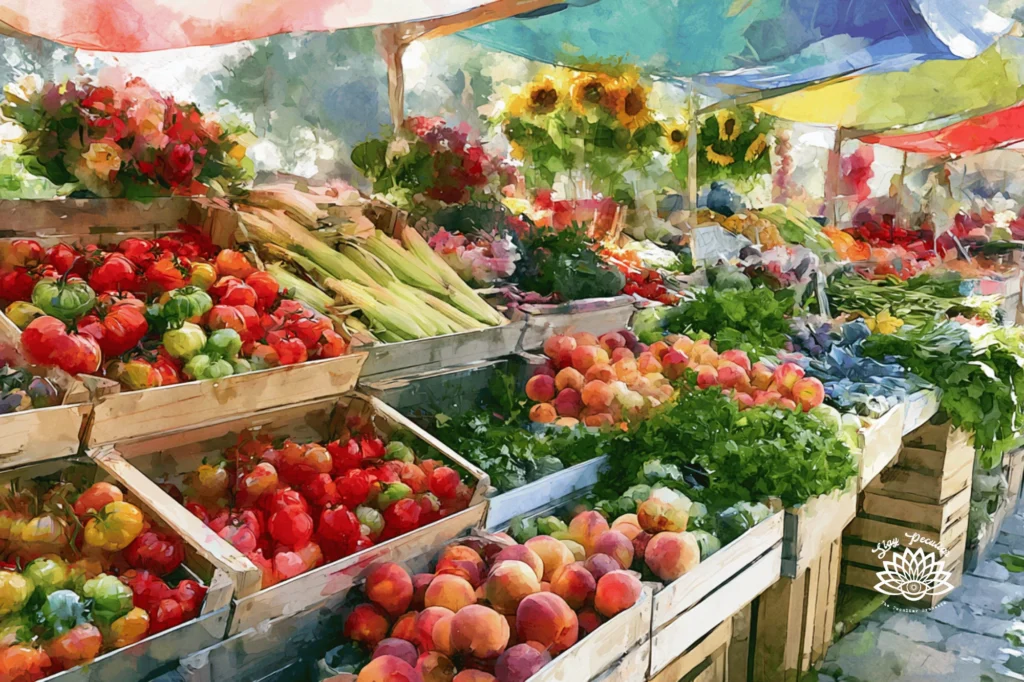
Let the season choose your next meal. Visit a local farmers market and ask yourself, “What is growing where I live right now?”
Don’t plan your menu before you arrive. Instead, wander through the market and see what late summer has to offer. Maybe you’ll find fresh blackberries, sweet corn, tomatoes, herbs, peaches, or veggies you’ve never cooked before.
If you get stuck, try choosing one seasonal ingredient that catches your interest and build a meal around it. Ask the farmer how they like to prepare it, learn where it was grown, or try a recipe you’ve never made before.
Eating with the seasons reminds us how food doesn’t appear on grocery store shelves by magic. It grows, ripens, and is finally harvested after months of care, patience, and hard work.
I hope this article about Lughnasadh 2026 was helpful! Lots of love to you, and remember, as always…